Mavericks is the latest Mac operating system released by Apple. There are a few reasons why you may desire to install Mavericks from a USB Flash drive. Having it on a USB drive can come in really handy if you have to install Mavericks on multiple Mac’s as it means you don’t have to re-download it onto each of your computers.
Also, it’s really handy if your Mac crashes and the only way to get it working again is to reformat and re-install OS X Mavericks. Also, installing from a USB Flash drive is a lot faster than downloading a new copy from the App Store, it’s even faster than installing from a DVD.
Disk Images, or DMGs, are a common way to compress large files on Mac computers, including apps. Because these files can often be a few gigabytes in size, a USB flash drive is usually the fastest way. If the DMG was intended to be bootable then the resulting USB will be bootable. Linux doesn’t much care for DMG files. Sure, it’ll play nice with them. But we don’t just want to play nice. We want to copy a DMG image to a USB drive and keep it as verbatim as computationally possible. Step 2: Download and install UUByte ISO Editor on your PC, insert the USB drive and launch the application. Step 3: Click Burn button on the main screen and point to the. Transmac for Windows (2-week trial) can format USB drives for mac and restore.dmg files to USB drives. Download Transmac and install in Windows. Now click the Restore tab and choose the DMG file as your source and the USB drive as the destination. Hit the Apply button to make it happen. S how to make your own Mountain Lion install DVD.
The instructions for setting up a USB Flash drive with OS X Mavericks has slightly changed from the instructions of installing OS X Mountain Lion from USB, but don’t worry about that. I’ll walk your through the whole process.
This is not the only method of creating a bootable Mavericks USB, if you are looking for simpler method check out:
#1 – Download OS X Mavericks
First thing you need to do if you haven’t already is download OS X Mavericks. This is a FREE download from Apple. Here’s link to it: OS X Mavericks
#2 – Prepare your USB Flash Drive
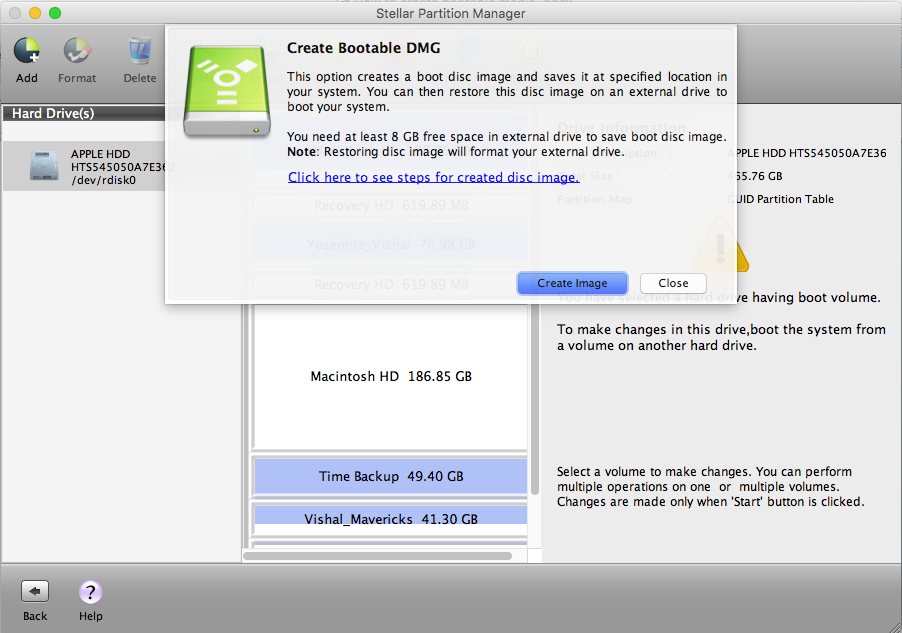
First off, you will need a formatted 8 GB Flash drive.
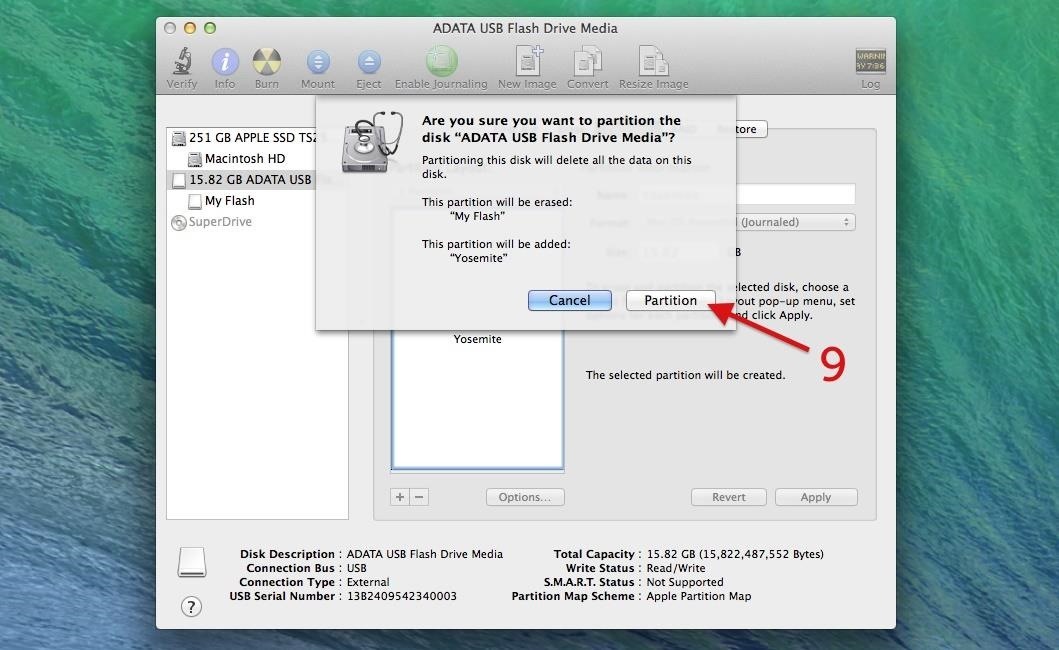
Before we can restore Mavericks onto the USB Flash drive, the drive has to be properly formatted.
To format the USB drive open Disk Utility (located in Applications/Utilities). Now plug the drive in into your Mac.
- Select the USB Flash drive from the sidebar in Disk Utility.
- Select the “Erase” tab.
- Make sure the Format is set to Mac OS Extended (Journaled)
- Finally click the Erase tab.
One important note about Step 4, this will erase everything that is currently on your USB drive.
#3 – Show the Hidden BaseSystem.dmg File
How To Mount Dmg
Next, we are going to look for a file called BaseSystem.dmg. Unfortunately, it’s a hidden file. To show the hidden files open Terminal (located in Applications/Utilities). Copy and paste the below into Terminal:
Paste this code and press the enter key to show the hidden files & folders:
defaults write com.apple.finder AppleShowAllFiles YES
Mount Dmg To Usb
Finder has to be restarted. Paste this code and press enter:
killall Finder
More methods that don’t require using Terminal: How to Show Hidden Files & Folders on Your Mac
#4 – Restore BaseSystem.dmg to USB Drive
Now we need to navigate to the BaseSystem.dmg file that we will be restoring on to the USB drive.

- Go to the Applications folder.
- Right-click “Install OS X Mavericks”.
- Select “Show Package Contents”.
- Navigate through Contents -> SharedSupport
- Double-click (open) InstallESD.dmg
- In the mounted folder that opens we can now see the BaseSystem.dmg files that would normally be hidden.
- Open Disk Utility (located in Applications/Utilities).
- Select the USB drive partition that you want to put the Mavericks installation setup on.
IMPORTANT: Select the automatically created partition of the USB drive not the drive itself (shown in the sidebar). If you select the USB drive instead of the partition you will get this error: Restore Failure – Could not restore – Resource busy
- Select the Restore tab.
- Drag the BaseSystem.dmg file into the “Source” field.
- Drag the USB partition into the destination.
- Click the Restore button.
#5 – Delete Packages shortcut and paste Packages folder
There is one finally step we need to complete in order to turn the USB into a fully useable method of installing Mavericks.
- Open the USB drive.
- Navigate to System -> Installation
- Now there is a shortcut file called Packages.
- Delete Packages Shortcut file.
- We need to remove this file because it’s simply a shortcut file to the folder that actually stores the files we need. We are going to replace this file with the actual folder that it links to.
- Open the mounted OS X Install ESD folder (the same folder the BaseSystem.dmg file was located).
- Copy the “Packages” folder to the folder we just deleted the Packages shortcut file from.
Congratulations you just created a working Mavericks install USB drive!
Now there are two ways of booting into the USB.
Choose one method:
1. Open System Preferences -> Startup Disk -> Select the USB drive -> Click the “Restart” button.

OR
2. While your Mac is restarting hold down the “alt” key on the keyboard and select the USB drive. Tutoringleto collegiate academy.